

You see your dog limping, whining, or just not acting like their usual self. Maybe they’re lying still in their bed when they’d normally jump around. Or they don’t want to eat. You’re asking yourself:
“What can I give my dog for pain?”
That’s the right question — and asking it means you care deeply.
This guide is written just for you — the everyday dog owner who isn’t a vet, but wants to do the right thing. Let’s go step by step.
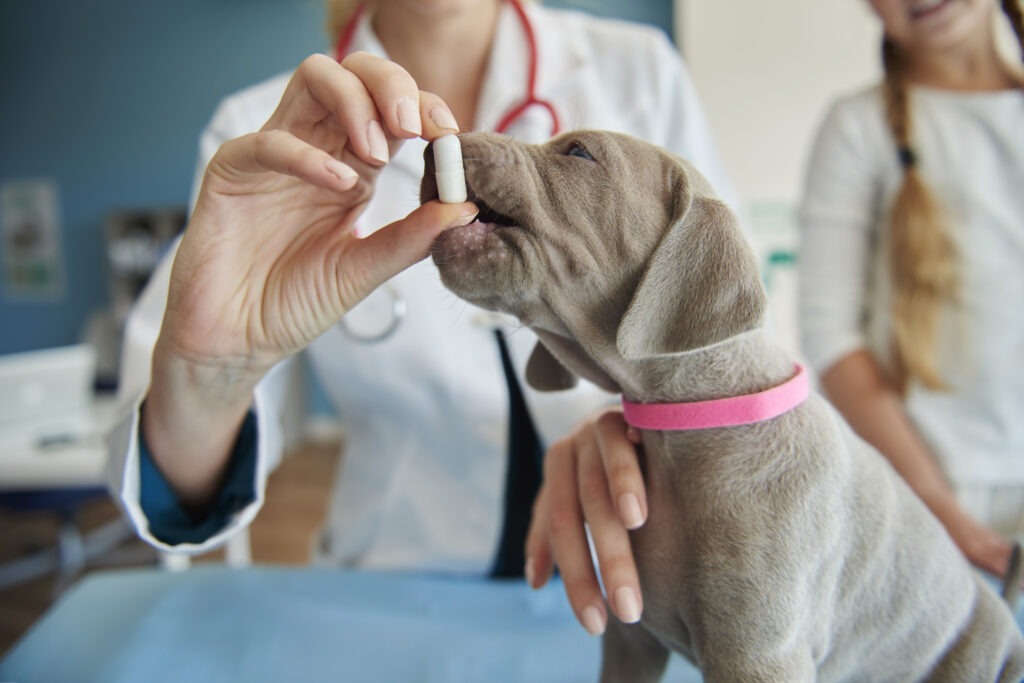
The Big Rule: Never Guess or Gamble with Meds
The danger with human medicine
You might be tempted to give your dog something from your cabinet, like:
Don’t do it. Even one pill can be toxic. Your dog’s body isn’t built like yours. These medications can cause:
- Kidney failure
- Liver damage
- Internal bleeding
- Death in severe cases
So if you’re asking what human medicine is safe for dogs, the safest answer is: None — unless a veterinarian tells you exactly what to give and how much.
First, Learn How Dogs Show Pain
Dogs can’t say “it hurts,” so they show it in other ways. Watch for signs like:
- Limping or not using one leg
- Hiding or acting distant
- Whining or whimpering
- Not eating or drinking
- Heavy breathing or panting
- Biting when touched
- Not wanting to be picked up
If your dog is showing even two or three of these signs, it’s time to take action — safely.
What Can I Give My Dog for Pain? Start with the Vet
The only safe way to give your dog medicine for pain is to get it from a licensed veterinarian.
They’ll consider:
- Your dog’s weight
- Age and breed
- Any other health problems
- What’s causing the pain (arthritis? injury? surgery?)
Then they’ll give you a specific medication at the right dose.

Types of Pain Relief a Veterinarian May Prescribe
The information below is shared only to help dog owners understand what a veterinarian may recommend.
Do not use this information to treat your dog on your own
Dog-Specific NSAIDs (Non-Steroidal Anti-Inflammatory Drugs)
These medications are specially formulated for dogs and are commonly prescribed by vets for pain and inflammation.
These are like Advil — but made for dogs. They help with swelling, stiffness, and pain.
| Drug Name | What It Does | Notes |
|---|---|---|
| Carprofen (Rimadyl) | For arthritis, injury, or surgery pain | Most common dog NSAID |
| Meloxicam (Metacam) | Liquid or pill | Good for small dogs |
| Firocoxib (Previcox) | Daily chew | Often for joint or bone issues |
| Deracoxib (Deramaxx) | Strong anti-inflammatory | Often used after surgery |
| Grapiprant (Galliprant) | Newer option | Gentler on stomach and kidneys |
Possible Side Effects to Watch
Even vet meds can cause issues like:
- Vomiting
- Diarrhea
- Tiredness
- Loss of appetite
If you notice these, stop the medication and contact your vet immediately.
Other Pain Treatments a Vet May Consider
If NSAIDs aren’t enough, the vet might try:
Depending on the situation, a veterinarian may also recommend:
- Gabapentin – often used for nerve-related pain
- Tramadol – sometimes prescribed for short-term pain
- Librela – a monthly injection for arthritis pain in older dogs
These treatments are only safe when prescribed and monitored by a veterinarian.
What to Give a Dog for Pain Relief at Home (Without Medicine)
If your dog’s pain is mild or you’re waiting for a vet appointment, you can focus on comfort and support, not medication.
Comfort Tips
- Provide a soft orthopedic bed
- Avoid stairs and jumping
- Use ramps for beds or couches
- Keep your dog warm
- Limit intense exercise
Supportive Home Care (With Vet Approval)
These options do not cure pain but may be part of a vet-approved care plan:
- Omega-3 supplements – support joint health
- CBD for dogs – some vets include it in pain plans
- Gentle massage or movement – helps stiffness
- Turmeric – sometimes discussed with vets for support
- Glucosamine & chondroitin – common joint supplements
Always monitor your dog and speak to your vet if symptoms continue or worsen.
You may like – What Painkillers Can I Give My Dog? A Simple And Safe Guide for You

OTC Pain Meds for Dogs — Are Any Safe?
If you’re searching for OTC pain meds for dogs, here’s the truth:
- There are NO human OTC pain meds that are safe for dogs without vet supervision.
- Some dog-specific OTC supplements (like joint chews) are safe, but they’re not for emergency pain relief.
- Always read the label and never dose based on guesswork.
So if you’re asking what OTC pain meds for dogs are safe — the answer is: Only the ones your vet says are okay.
What to Do in an Emergency
If your dog is in sudden pain and you can’t see the vet right away:
Emergency Plan:
- Keep your dog still and quiet
- Don’t feed them any food or meds
- Offer water if they want it
- Call your vet or emergency pet clinic
- Describe the symptoms clearly
- Follow instructions exactly
DO NOT give aspirin, Tylenol, Advil, or other human meds “just in case.” You could cause serious harm.

Quick FAQ:
What human medicine is safe for dogs?
None — unless specifically directed by a veterinarian.
How to treat dog pain at home?
Comfort, rest, warmth, and vet-approved supplements only.
Is dog pain relief without vet possible?
You can provide comfort, but not medication.
Are there OTC pain meds for dogs I can buy?
Only vet-approved dog products.
What’s the best pain relief for dogs at home?
Soft bedding, gentle care, and veterinary guidance.
What home remedies for dog pain work?
CBD, omega-3s, turmeric, massage — all vet-approved.
What’s the best medicine for dog pain?
Carprofen, Meloxicam, or Gabapentin — depending on your vet’s advice.
What to give a dog for pain relief that’s safe?
Only what your vet recommends — no guessing.
Action Plan: What You Should Do Right Now
- Watch your dog closely — note any limping, crying, or mood changes.
- Don’t give any human medicine.
- Call your vet and book an exam if pain lasts more than a day.
- Ask your vet: What can I give my dog for pain safely?
- Follow the dosage exactly.
- Support your dog at home with soft bedding, ramps, supplements, and love.
Final Thoughts: You’re Doing the Right Thing
If you’re asking what can I give my dog for pain, it means you care — deeply.
By choosing safety, seeking veterinary advice, and supporting your dog with love and patience, you’re being the best pet parent you can be.
And that matters more than anything.
Important Medical Disclaimer
This article is for general educational purposes only and is not a substitute for professional veterinary advice. Never give your dog any medication, supplement, or treatment without consulting a licensed veterinarian. Giving the wrong medicine or dose can cause serious harm.
Share To Help