

If you’re considering adding a Shih Tzu to your family, or maybe you already have one, you might have heard some strong opinions on why Shih Tzu are the worst dog. This phrase gets tossed around a lot, but what lies behind such a bold statement? Before you judge or dismiss the Shih Tzu breed, it’s important to understand the reasons why some pet owners might feel this way based on health, behavior, and care challenges.
This article walks you through honest, detailed reasons on why some owners struggle with Shih Tzus, so you can make an informed choice or better manage your relationship with your furry friend.
Disclaimer: The term “worst” in this article reflects common challenges reported by some owners and does not mean Shih Tzus are bad dogs. Every dog is unique, and suitability depends on an owner’s lifestyle, expectations, and ability to meet the breed’s needs.
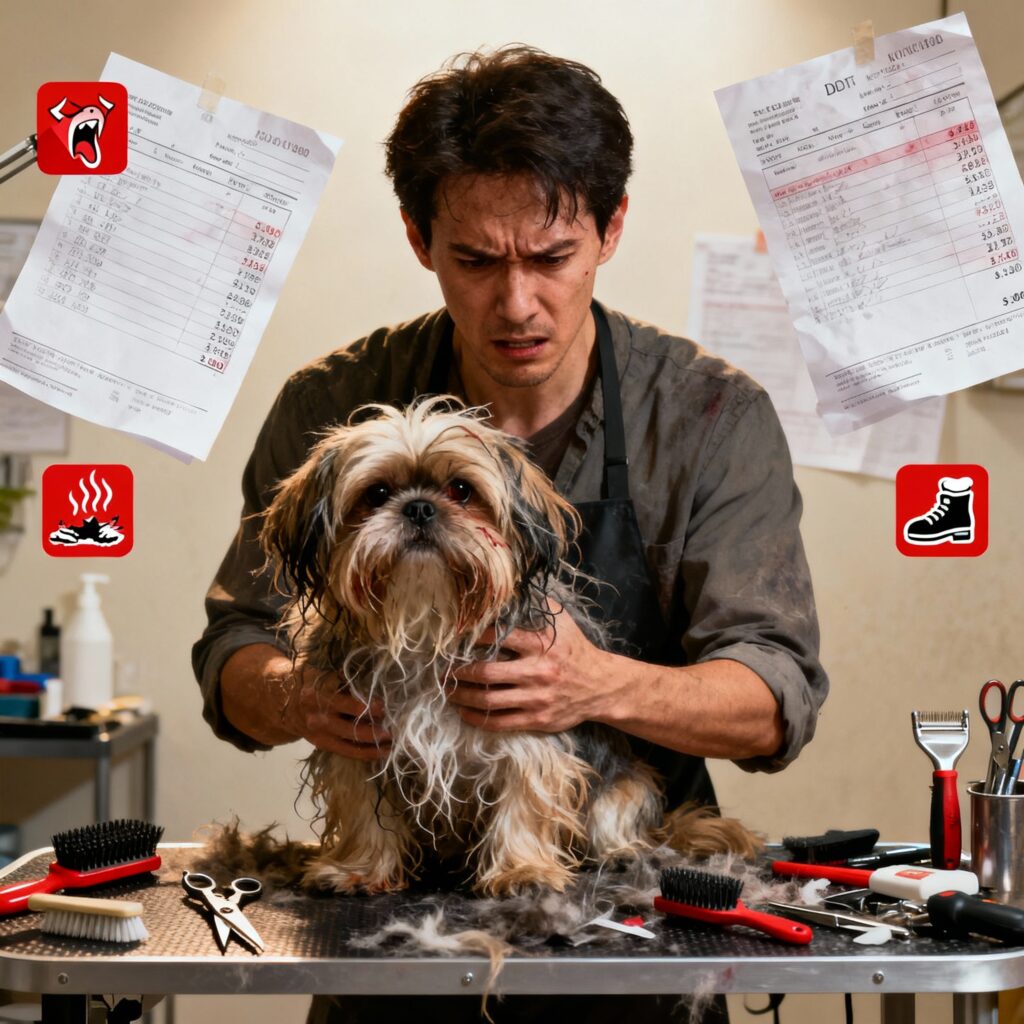
Breathing Problems: Brachycephalic Challenges
One major reason why Shih Tzus can be challenging dogs in many people’s experience relates to their brachycephalic face structure. Their beloved flat faces, while cute, cause significant breathing difficulties. This condition, known as brachycephalic obstructive airway syndrome (BOAS), makes it hard for the dog to breathe properly, especially in hot or humid weather.
You’ll often notice loud snorting, coughing, or even fainting after exercise. This means you’ll need to closely monitor your Shih Tzu during physical activity and avoid overheating, which requires extra effort on your part to maintain their comfort and health. Many Shih Tzu owners find this aspect stressful because it limits the dog’s activity and can lead to costly veterinary care.
Chronic Health Issues That Aren’t Easy to Manage
If you ask why this breed may not suit everyone in terms of health, the answer often centers on their numerous common ailments. These include:
- Eye problems: Their large, prominent eyes are prone to injuries, ulcers, and infections that require constant monitoring and treatment.
- Hip dysplasia: Though a small dog, Shih Tzus can suffer from painful joint problems, causing limping or a hindering gait.
- Hypothyroidism: This breed has a fairly high incidence of thyroid issues, which causes weight gain, lethargy, and hair loss and requires lifelong medication for management.
- Kidney and liver issues: Conditions like renal dysplasia or liver shunts are not uncommon, adding to veterinary expenses and health worries.
The constant vet visits and medical management can feel overwhelming, making ownership more demanding for some people.
With responsible breeding, regular veterinary checkups, and early medical intervention, many Shih Tzus manage these health conditions well and enjoy a good quality of life.
Grooming: A High Maintenance Commitment
One practical reason why some say why Shih Tzu have the high grooming requirement. Their long, silky coat demands daily brushing to prevent tangles and mats. If you neglect regular grooming, the coat becomes unbearable and leads to skin infections or discomfort for the dog.
You either have to invest time weekly or pay for professional grooming, which adds to overall ownership costs. This breed also needs frequent eye cleaning and dental care to avoid tear stains and decay. The grooming upkeep can be exhausting for busy or first-time dog owners.
For owners who enjoy grooming routines or maintain a shorter haircut, these needs become manageable and even a bonding experience rather than a burden.
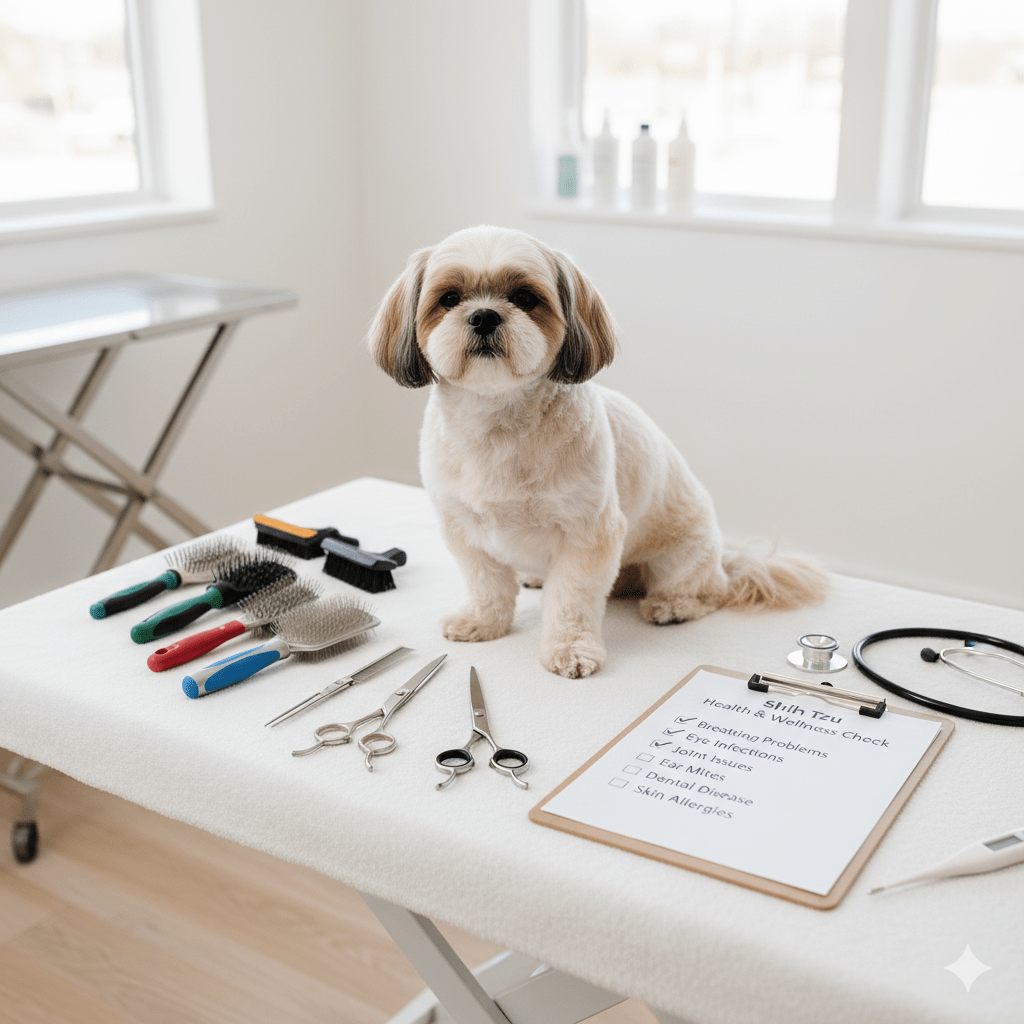
Behavioral Frustrations and Temperament Issues
Not every Shih Tzu is a perfect angel. Some owners express frustration over behaviors like stubbornness, excessive barking, or separation anxiety. Their small size sometimes causes them to be overly protective or nippy, which can be problematic if not properly trained from an early age.
Inquisitive yet independent, Shih Tzus may test boundaries, making training a challenge for inexperienced owners. This temperament aspect explains why some might declare why Shih Tzu are the worst dog when it comes to obedience and socialization.
With early training, consistency, and positive reinforcement, many Shih Tzus develop into well-behaved, affectionate, and adaptable companions.
You may also like – Is Skippy Peanut Butter Safe for Dogs? Complete Pet Nutrition Guide
Health and Cost Implications Over Time
Owning a Shih Tzu is a serious financial and emotional commitment. The breed’s propensity for various health conditions means you’ll likely spend more on vet bills, medications, and special diets than with many other dog breeds.
If you are not prepared for the time, budget, and attention required, it might lead to frustration and feelings of regret—fueling negative views about this breed’s suitability for all households.
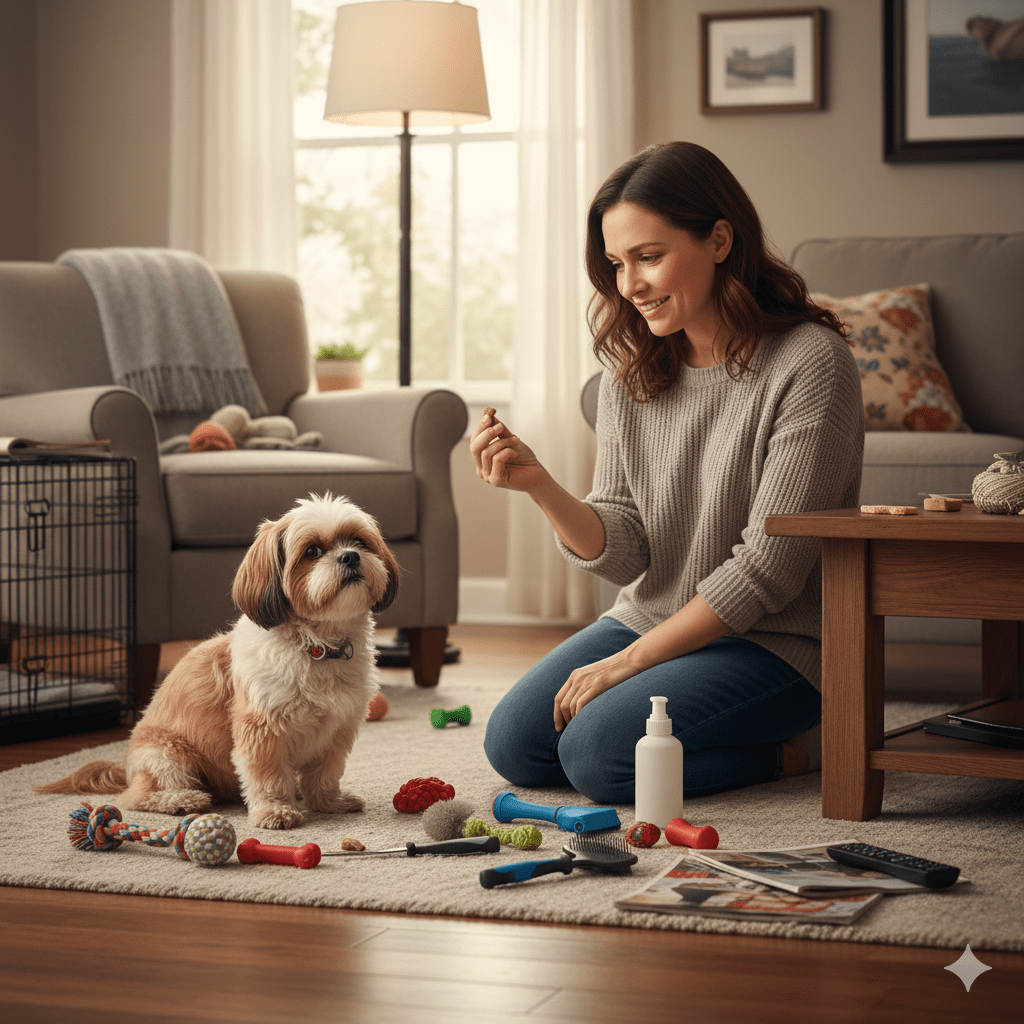
Are Shih Tzus a Poor Fit for Some Owners?
It’s important to understand that saying why some owners struggle with Shih Tzus is a subjective judgment that depends heavily on individual expectations, lifestyles, and how well you handle the breed’s special needs.
For owners who love grooming, frequent vet care, and patience with training, Shih Tzus can be fantastic companions—loyal, loving, and playful. But for people seeking low-maintenance, robust dogs, this breed may often disappoint, leading to the frustration behind such strong phrases.
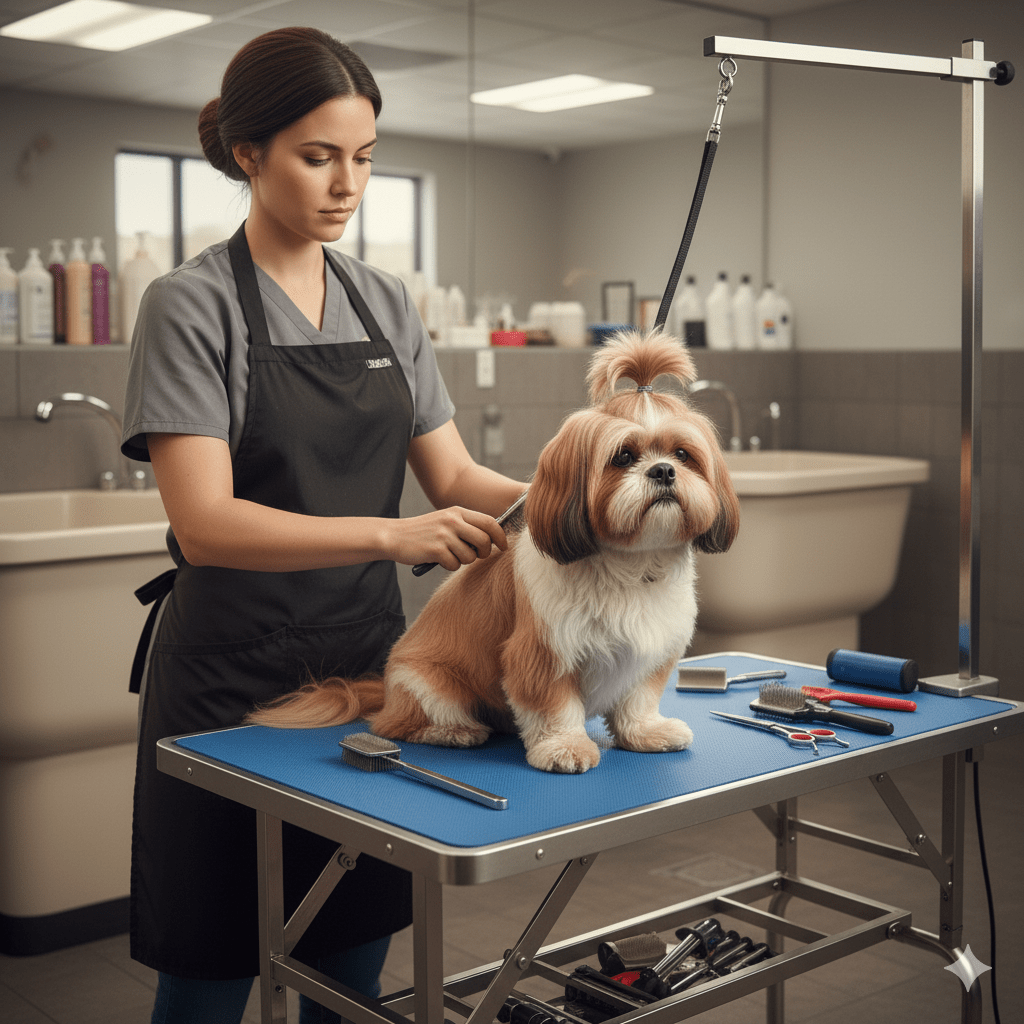
Why Many People Still Love Shih Tzus
- Extremely affectionate and loyal
- Well-suited for apartments
- Good companions for calm households
- Strong emotional bonding with owners
Conclusion: Understanding the Reality Before You Decide
To sum up, the reasons why Shih Tzus can be challenging dogs, revolve around their respiratory challenges, chronic health problems, high grooming needs, behavioral quirks, and cost of care. These factors make them difficult pets for some owners, especially those unprepared for these demands.
However, with dedication, proper grooming, veterinary vigilance, and training, many Shih Tzu owners find their companion worth all the extra work. Ultimately, whether Shih Tzus are “the worst” depends on your lifestyle, patience, and commitment to meeting their needs.
If you find yourself resonating with these challenges, consider whether another breed might be a better match for your expectations. If not, embracing these realities helps you provide the best care and love your Shih Tzu deserves.
Share To Help